Have you ever wondered how to transform your ordinary breakfast routine into something truly extraordinary? Imagine starting your day with a vibrant, Instagram-worthy bowl filled with creamy goodness, colorful fruits, and satisfying toppings that make every spoonful feel like a treat. That’s exactly what breakfast smoothie bowls offer—a perfect combination of nutrition, convenience, and pure deliciousness. These bowls have revolutionized how families approach their morning meals, transforming simple ingredients into something that feels indulgent yet remains incredibly wholesome.
Table of Contents
What makes breakfast smoothie bowls so special is their incredible versatility and speed. Unlike traditional smoothies you drink from a glass, these bowls invite you to slow down and savor each spoonful with a spoon. The thick, creamy base creates a satisfying texture that keeps you full throughout the morning, while the carefully chosen toppings add layers of flavor, crunch, and nutritional value. Whether you’re feeding yourself, your partner, or your entire family, breakfast smoothie bowls adapt beautifully to everyone’s preferences.
The beauty of creating breakfast smoothie bowls lies in their simplicity paired with endless possibilities. You start with just a handful of frozen fruits and milk, blend them to soft-serve consistency, and then the real magic happens when you add your favorite toppings. In just five minutes, you can have a restaurant-quality breakfast ready to enjoy. This recipe has become a favorite in countless households because it delivers impressive nutrition without requiring culinary expertise or hours in the kitchen.
Whether you’re seeking a quick weekday breakfast, an impressive brunch option, or a healthy way to use up frozen fruits, breakfast smoothie bowls provide the perfect solution. They’re naturally vegan-friendly, easily customizable for dietary preferences, and absolutely delicious. Let’s dive into everything you need to know about creating these magnificent bowls that will have your family requesting them again and again.
Ingredients for Breakfast Smoothie Bowls
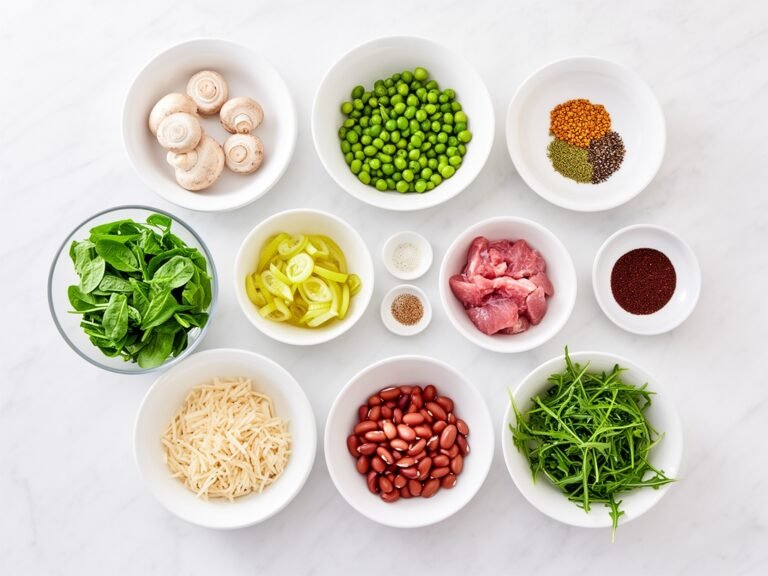
Creating perfect breakfast smoothie bowls starts with understanding your ingredient choices and why each one matters. The foundation of your smoothie bowl depends heavily on using frozen fruit rather than fresh fruit—this is absolutely crucial. Frozen berries and bananas create that signature thick, creamy consistency that makes these bowls so satisfying to eat with a spoon. When you use fresh fruit, you’ll end up with a thin, drinkable smoothie instead of the luxurious soft-serve texture that defines a proper smoothie bowl. The freezing process actually concentrates the flavors and creates natural creaminess without requiring ice cream or heavy cream.
Your choice of liquid is equally important when preparing breakfast smoothie bowls. Most recipes call for unsweetened almond milk, but you have wonderful alternatives including coconut milk, oat milk, soy milk, or even regular dairy milk if you prefer. The key is using just enough liquid to blend your frozen fruits into that perfect soft-serve consistency—not too much or you’ll end up with a thin smoothie instead of a thick bowl. Start with a quarter cup and add more only if necessary. Plant-based milks work beautifully because they add creaminess without overwhelming the fruit flavors that should shine through in your finished smoothie bowl.
Beyond the base, optional protein powder elevates your breakfast smoothie bowls from a tasty breakfast into a complete nutritional powerhouse. Vanilla or chocolate protein powder blends seamlessly into berry-based bowls, adding staying power and muscle-supporting amino acids. This ingredient is entirely optional—your smoothie bowl will be delicious without it—but many people appreciate the added protein for sustained energy throughout their morning.
Base Ingredients
– 1 cup frozen mixed berries (blueberries, raspberries, strawberries, or blackberries)
– 1 frozen banana, sliced into chunks
– ¼ cup unsweetened almond milk (or coconut, oat, soy, or dairy milk)
– 1 scoop vanilla or chocolate protein powder (optional but recommended)
– ¼ teaspoon vanilla extract (optional)
– Pinch of sea salt
Smoothie Bowl Toppings
– ½ cup fresh berries (blueberries, raspberries, or strawberries)
– ¼ cup granola (store-bought or homemade)
– 2 tablespoons chia seeds
– 2 tablespoons hemp seeds
– 2 tablespoons unsweetened coconut flakes
– 2 tablespoons sliced almonds or other nuts
– 1 tablespoon natural peanut butter or almond butter
– Fresh banana slices
– Shredded coconut
– Chocolate shavings or cacao nibs
Substitution Notes and Shopping Tips
When selecting frozen berries for your smoothie bowl, look for bags without added sugar or syrups. The natural fruit sugars provide plenty of sweetness, and avoiding additives keeps your bowl as nutritious as possible. If you can’t find quality frozen berries, you can freeze fresh berries yourself by spreading them on a baking sheet, freezing until solid, then transferring to freezer bags. Bananas should be ripe before freezing—look for yellow skin with minimal brown spots. Slice them into chunks before freezing so they blend more easily into your breakfast smoothie bowls.
For milk alternatives, unsweetened versions work best to let the fruit flavors shine without added sweetness. If you prefer sweetened milk, reduce or eliminate any additional sweeteners. Regarding protein powder, choose quality brands without artificial ingredients or excessive additives. Vanilla and chocolate varieties work wonderfully, though unflavored options also blend beautifully. For toppings, purchase raw nuts and seeds rather than roasted and salted varieties to control sodium and maintain nutritional integrity in your smoothie bowl.
Equipment Needed
Creating beautiful breakfast smoothie bowls requires minimal equipment, but having the right tools makes the process effortless and enjoyable. The most essential piece is a high-powered blender—this is non-negotiable for achieving that perfect soft-serve consistency. Regular blenders may struggle with frozen fruit and won’t create the thick texture you’re aiming for. A high-powered blender like a Vitamix, Ninja, or similar model powers through frozen ingredients easily, creating silky-smooth results every time you prepare your smoothie bowl.
Beyond your blender, you’ll need a few simple items to complete your smoothie bowl experience. A sturdy spoon or wooden spoon helps you blend and scrape down the sides of your blender as you work. Bowls are essential—choose ones that are wide enough to comfortably hold your smoothie base and toppings without spilling. Pretty bowls make the eating experience more enjoyable and Instagram-worthy. A rubber spatula helps transfer your thick smoothie mixture from the blender to your bowl without leaving delicious bits behind. Having a small ice cream scoop makes portioning your thick smoothie base easier and more efficient when making multiple smoothie bowls.
Equipment List
– High-powered blender (essential)
– Bowls (ceramic, glass, or bamboo)
– Wooden spoon or silicone spatula
– Measuring cups and spoons
– Freezer-safe storage containers
– Ice cream scoop (optional but helpful)
Prep Time & Cook Time
Prep Time: 5 minutes
Cook Time: 0 minutes
Total Time: 5 minutes
Servings: 1-2
Difficulty Level: Easy
Creating breakfast smoothie bowls is remarkably quick once you have your ingredients prepped and ready. The entire process from blender to bowl takes approximately five minutes, making these perfect for busy mornings when you need something nutritious but don’t have time for elaborate cooking. Having your frozen fruits and milk measured and ready to go accelerates the process even further. If you’re preparing smoothie bowls for your entire family, you can create them assembly-line style, blending one bowl at a time and allowing everyone to customize their own toppings. This turns breakfast into an interactive, fun experience rather than a rushed obligation.
Step-by-Step Instructions for Creating Perfect Breakfast Smoothie Bowls
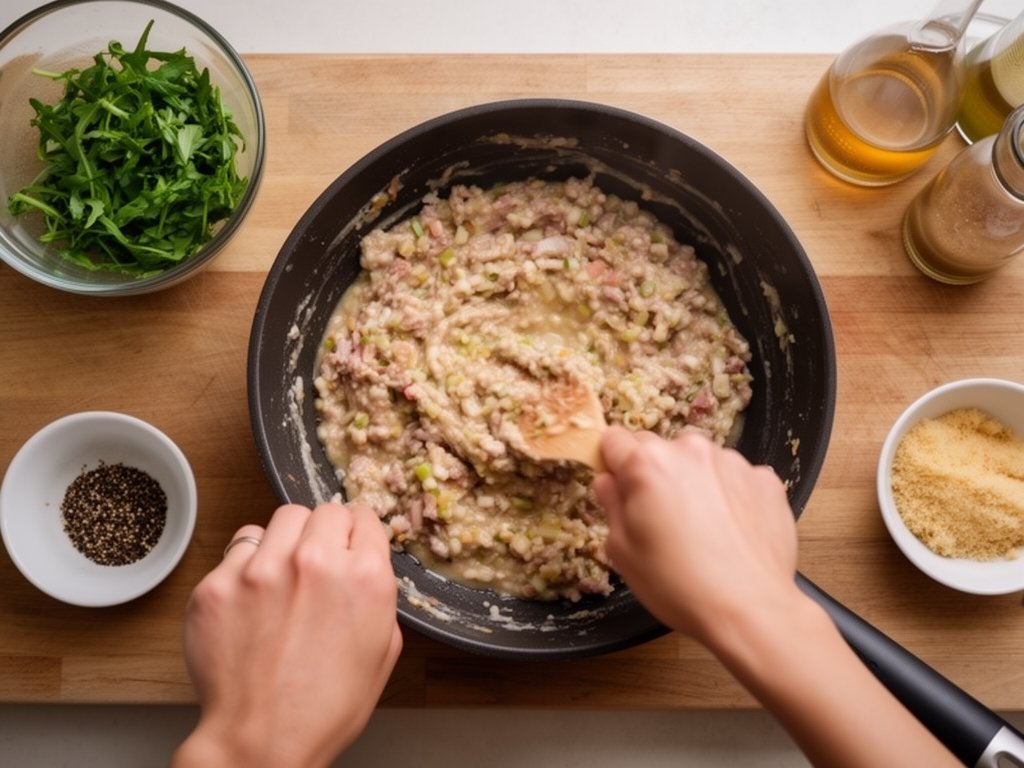
Making delicious smoothie bowls involves understanding the technique that creates that signature thick, creamy texture. The key difference between a drinkable smoothie and a spoonable smoothie bowl lies in the blending method and liquid ratio. You’ll blend on low speed, stopping frequently to scrape down the sides, creating a mixture that resembles soft-serve ice cream. This technique prevents over-blending while ensuring all ingredients combine properly. The result is a beautiful, thick base that holds your toppings beautifully and creates a satisfying eating experience that feels indulgent yet nourishing.
The order in which you add ingredients matters significantly when creating your smoothie bowl. Starting with frozen fruit and gradually introducing liquid prevents your blender from struggling and ensures even blending. This methodical approach helps you achieve the perfect consistency without adding too much liquid, which is the most common mistake people make when first learning how to prepare smoothie bowls.
Step 1: Gather and Prepare Your Ingredients
Before you begin blending, assemble all your base ingredients near your blender. Remove your frozen banana chunks and frozen berries from the freezer and let them sit for just one minute—this slight warming makes them slightly easier for your blender to process initially. Measure out your almond milk into a separate container so you can add it gradually during blending. Having everything prepared and ready creates a smooth workflow and ensures your smoothie bowl comes together quickly. This preparation step takes less than a minute but makes the entire process more efficient and enjoyable.
Step 2: Add Frozen Berries to Your Blender
Pour your full cup of frozen mixed berries directly into your high-powered blender. These berries form the flavor foundation of your smoothie bowl, providing natural sweetness, beautiful color, and impressive antioxidants. The variety of berries—blueberries, raspberries, strawberries, and blackberries—creates complex flavor notes that sing through in your finished smoothie bowl. Don’t thaw these berries; keeping them frozen is essential for achieving that thick, creamy consistency you’re aiming for.
Step 3: Add Your Frozen Banana
Add your frozen banana chunks on top of the berries in your blender. The banana provides creaminess and acts as a natural thickener, creating that luxurious soft-serve texture without requiring ice cream or heavy cream. One medium frozen banana is typically perfect, though you can adjust based on your preference—more banana creates a creamier, thicker smoothie bowl, while less banana allows the berry flavors to dominate. The banana also provides natural sweetness, often eliminating the need for added sweeteners in your smoothie bowl.
Step 4: Add Optional Protein Powder
If you’re using protein powder, add your scoop now, directly onto the frozen fruit. Vanilla protein powder works beautifully with berry-based smoothie bowls, adding subtle sweetness and creaminess. Chocolate protein powder creates a more decadent experience. This ingredient remains entirely optional—your smoothie bowl will be delicious without it—but many people appreciate the added protein for sustained energy and muscle support. If you’re skipping protein powder, you can add a small handful of baby spinach here for added nutrition that won’t affect the flavor or color of your berry-based smoothie bowl.
Step 5: Begin Blending on Low Speed
Turn your blender to low speed and begin blending your frozen ingredients. This is crucial—high speed will over-blend your mixture and create a thin smoothie instead of a thick smoothie bowl. Blend for just 10-15 seconds initially, then pause and check your progress. You should see the frozen fruit beginning to break down into smaller pieces. The mixture should start resembling coarse pebbles or small gravel at this stage. This low-speed approach prevents your blender from working too hard while ensuring even blending of all ingredients.
Step 6: Scrape Down the Blender Sides
Stop your blender and use a rubber spatula to scrape down the inside of your blender, pushing any frozen fruit that’s stuck to the sides back down toward the blade. This step is essential for even blending and prevents you from ending up with chunks of frozen fruit in your finished smoothie bowl. Make absolutely certain your blender has completely stopped before you insert any utensil into it—safety is paramount. You’ll need to repeat this scraping process several times throughout blending, so don’t hesitate to open the blender frequently.
Step 7: Add Your Liquid Gradually
Now slowly add your quarter cup of almond milk while blending on low speed, continuing to scrape the sides frequently. Add the milk gradually rather than all at once—this is key to achieving the perfect consistency. Start with just a tablespoon or two, blend for a few seconds, scrape, then add a bit more. This gradual approach prevents you from adding too much liquid, which would create a thin smoothie instead of a thick smoothie bowl. You want your mixture to resemble soft-serve ice cream that you can eat with a spoon, not a drinkable smoothie.
Step 8: Continue Blending Until Perfect Consistency
Keep blending on low speed, scraping frequently, until your mixture reaches that ideal soft-serve consistency. This typically takes 30-45 seconds of total blending time, though it may vary depending on your blender’s power and your frozen fruit’s exact texture. The mixture should be thick enough to hold a spoon’s impression but soft enough to scoop easily. If it’s too thick, add another tablespoon of milk and blend briefly. If it’s too thin, you may need to add a handful of ice cubes and blend again. Achieving this perfect consistency is what separates a mediocre smoothie bowl from an absolutely delicious one.
Step 9: Transfer Your Smoothie Base to Your Bowl
Once your mixture reaches perfect consistency, carefully transfer it from your blender to your serving bowl. Use your rubber spatula to scrape every delicious bit from the blender—you’ve worked hard to create this smoothie bowl, and you don’t want to waste any of it. The mixture should be thick and substantial, piling nicely in your bowl. If you’re making multiple smoothie bowls, you can divide your mixture between two bowls at this point. The thickness should allow your mixture to hold shape without spreading or flattening out.
Step 10: Add Your First Layer of Toppings
Begin adding your chosen toppings to your smoothie bowl base. Start with fresh berries, arranging them artfully on top of your smoothie mixture. The fresh berries add brightness, crunch, and additional nutritional value to your smoothie bowl. Arrange them in a pattern or simply scatter them across the surface—this is your creation, so make it beautiful. Fresh berries provide a wonderful contrast to the creamy smoothie base, and their tartness balances the sweetness of your frozen fruit beautifully.
Step 11: Add Granola for Crunch
Sprinkle your granola across the top of your smoothie bowl, distributing it evenly so you get granola in every spoonful. Granola adds wonderful texture, crunch, and flavor complexity to your smoothie bowl. The toasted oats and nuts provide satisfying crunch that contrasts beautifully with the creamy base. If you prefer homemade granola, you can make a batch on the weekend and use it throughout the week. Store-bought granola works wonderfully too—just choose varieties without excessive sugar or artificial ingredients.
Step 12: Add Seeds for Nutrition
Sprinkle chia seeds and hemp seeds across your smoothie bowl, distributing them evenly. These seeds provide omega-3 fatty acids, fiber, and protein—nutritional powerhouses that make your smoothie bowl even more nourishing. Chia seeds absorb liquid and create a slightly gelatinous texture that adds interest to your bowl. Hemp seeds have a subtle nutty flavor that complements berry-based smoothie bowls beautifully. Together, these seeds transform your smoothie bowl from a tasty breakfast into a nutritional superstar.
Step 13: Add Coconut and Nuts
Finish your smoothie bowl with unsweetened coconut flakes and sliced almonds or your preferred nuts. These toppings add richness, crunch, and wonderful flavor complexity. Coconut provides tropical notes that make your smoothie bowl feel like a special treat rather than ordinary breakfast. Nuts add protein, healthy fats, and satisfying crunch. You can also drizzle a small amount of nut butter on top if desired, adding richness and additional protein to your smoothie bowl.
Step 14: Add Optional Finishing Touches
If desired, add fresh banana slices, chocolate shavings, or cacao nibs to complete your smoothie bowl creation. These finishing touches add visual appeal and flavor interest. Banana slices provide additional fruit and creamy texture. Chocolate shavings or cacao nibs add sophistication and a touch of indulgence. These elements transform your smoothie bowl from simple to restaurant-quality, making it feel like a special treat you’re giving yourself.
Step 15: Enjoy Immediately
Serve your smoothie bowl immediately while the base is still thick and creamy and the toppings are at their best. Eat with a spoon, taking your time to enjoy each bite. The combination of textures and flavors—creamy base, fresh fruit, crunchy granola, nutty seeds—creates a truly satisfying eating experience. This is not a smoothie to rush through; it’s meant to be savored and enjoyed, transforming breakfast from a rushed obligation into a moment of self-care and nourishment.
Nutritional Information
Breakfast smoothie bowls represent a nutritional powerhouse disguised as an indulgent treat. The frozen berries that form the base are absolutely packed with antioxidants, particularly anthocyanins in blueberries and raspberries, which combat oxidative stress and support overall wellness. These berries also provide vitamin C, which supports immune function and collagen production, plus fiber for digestive health. The frozen banana adds potassium, which supports heart health and muscle function, along with vitamin B6 and manganese. Together, these fruits create a smoothie bowl that delivers impressive nutrition in every spoonful.
The milk you choose contributes important nutrients to your smoothie bowl. Unsweetened almond milk provides calcium for bone health and is naturally low in calories, allowing the fruit flavors to shine. If you choose coconut milk, you’re adding medium-chain triglycerides that some research suggests may support metabolism. Soy milk provides complete protein with all essential amino acids. Oat milk offers beta-glucans, a soluble fiber that supports heart health. Your choice of milk allows you to customize your smoothie bowl’s nutritional profile based on your personal health goals and preferences.
Adding protein powder transforms your breakfast smoothie bowls into a complete breakfast that keeps you satisfied for hours. Protein supports muscle maintenance and recovery, provides sustained energy, and helps regulate blood sugar levels throughout your morning. A single scoop of quality protein powder adds approximately 20-25 grams of protein to your smoothie bowl, creating a breakfast that truly sustains you. This addition is particularly valuable if you have an active lifestyle or find yourself hungry mid-morning without adequate protein at breakfast.
The toppings you choose dramatically impact your smoothie bowl’s final nutritional profile. Chia seeds and hemp seeds provide omega-3 fatty acids, which support brain health and reduce inflammation throughout your body. These seeds also provide fiber and plant-based protein, making your smoothie bowl even more nourishing. Nuts and granola add healthy fats, additional protein, and minerals like magnesium and zinc. While these toppings add calories, they add them in the form of nutritionally dense foods that support overall health and wellbeing rather than empty calories.
Estimated Nutritional Values Per Serving (with protein powder and toppings)
– Calories: 380-420
– Protein: 18-22g
– Carbohydrates: 52-58g
– Dietary Fiber: 9-11g
– Fat: 12-15g
– Vitamin C: 35% of daily value
– Potassium: 28% of daily value
– Calcium: 25% of daily value
– Iron: 15% of daily value
Note: Values vary based on specific brands and exact quantities used. These are approximations based on standard ingredients.
Serving Suggestions & Variations
Breakfast smoothie bowls shine as a standalone breakfast, but they pair beautifully with complementary foods to create a complete morning experience. Serve your smoothie bowl alongside whole grain toast topped with avocado or nut butter for additional fiber and healthy fats. A hard-boiled egg provides additional protein and creates a more substantial breakfast experience. Fresh-squeezed orange juice or herbal tea complements the fruity flavors of your smoothie bowl wonderfully. For a lighter approach, simply enjoy your smoothie bowl with a cup of coffee or tea, allowing the bowl itself to be your complete breakfast.
Creating tropical variations of your smoothie bowl opens exciting flavor possibilities. Blend frozen mango, pineapple, and coconut milk together, then top with macadamia nuts, toasted coconut flakes, and fresh passion fruit. This tropical version transports you to a beachside breakfast instantly. Alternatively, create a green smoothie bowl by adding a handful of baby spinach to your berry base—the spinach is completely hidden by the berries but adds impressive nutritional value. Top this version with kiwi slices, hemp seeds, and coconut for a vibrant, nutrient-packed smoothie bowl.
For chocolate lovers, create a decadent chocolate-banana smoothie bowl by blending frozen banana, unsweetened cocoa powder, and almond milk. Add a scoop of chocolate protein powder for richness and staying power. Top with chocolate shavings, crushed almonds, granola, and a drizzle of almond butter. This version feels like dessert for breakfast but delivers impressive nutrition. You can also create a peanut butter variation by adding two tablespoons of natural peanut butter to your berry base, creating a rich, creamy smoothie bowl that tastes indulgent yet remains wholesome.
Seasonal variations allow you to celebrate what’s available throughout the year. In summer, use fresh berries at peak ripeness, freezing them yourself for maximum flavor. In fall, blend frozen peaches with a touch of cinnamon for a cozy, warm-spiced smoothie bowl. Winter calls for deeper flavors—add a touch of vanilla extract and cocoa powder to your berry base for a more sophisticated smoothie bowl. Spring invites lighter, brighter variations featuring fresh berries and citrus notes. These seasonal smoothie bowl variations keep your breakfast exciting and connected to the rhythms of nature.
Creating smoothie bowls for special occasions elevates them beyond everyday breakfast into impressive brunch offerings. Layer different colored smoothie bases in your bowl—create a rainbow smoothie bowl by freezing individual smoothie layers, then stacking them in your serving bowl. This visually stunning presentation impresses guests and makes breakfast feel like a celebration. You can also create a smoothie bowl bar where guests customize their own bowls, choosing from various bases and toppings. This interactive approach transforms breakfast into a fun, engaging experience that everyone enjoys.
Expert Tips & Tricks for Perfect Breakfast Smoothie Bowls
Creating consistently delicious smoothie bowls requires understanding key techniques that separate mediocre bowls from absolutely spectacular ones. The most important tip is using truly frozen fruit—not partially thawed or room temperature fruit. The freezing process concentrates flavors and creates natural creaminess that’s impossible to replicate with fresh fruit. Prepare your freezer with quality frozen berries and sliced bananas, and you’ll always be ready to create a beautiful smoothie bowl in minutes. Invest in a high-powered blender if you don’t already own one; this single tool makes an enormous difference in achieving that perfect soft-serve consistency.
Always blend on low speed rather than high speed—this prevents over-blending and maintains the thick texture you’re aiming for. High speed creates a thin, drinkable smoothie instead of the spoonable consistency that defines a proper smoothie bowl. Take your time with the blending process, stopping frequently to scrape down the sides of your blender. This methodical approach ensures even blending and prevents you from adding too much liquid, which is the most common mistake people make when first learning to create smoothie bowls. Patience during blending directly translates to a superior final product.
Add your liquid gradually rather than all at once—this is crucial for achieving perfect consistency. Start with just a quarter cup of milk and add more only if necessary. You can always add more liquid, but you can’t remove it once it’s blended in. This gradual approach prevents thin, drinkable smoothies and ensures your smoothie bowl maintains that luxurious soft-serve texture. If you accidentally add too much liquid, add a handful of ice cubes and blend briefly to thicken your mixture again.
Don’t skip the optional protein powder if you want your smoothie bowl to keep you satisfied throughout the morning. Protein provides sustained energy and helps regulate blood sugar levels, preventing mid-morning hunger crashes. Choose quality protein powder without artificial ingredients or excessive additives. Vanilla and chocolate varieties work beautifully with berry-based smoothie bowls, though unflavored options also blend seamlessly. Adding protein transforms your smoothie bowl from a tasty breakfast into a complete nutritional powerhouse.
Invest in quality toppings that enhance rather than detract from your smoothie bowl. Choose unsweetened coconut flakes, raw nuts, and organic seeds rather than pre-sweetened varieties. These toppings provide genuine nutritional value and allow the pure flavors of your smoothie bowl to shine. Store your toppings in airtight containers away from light and heat to maintain freshness. Having a variety of toppings prepared and ready encourages creativity and keeps breakfast exciting throughout the week.
Create a smoothie bowl prep system by freezing individual portions of berries and banana in small containers or freezer bags. Label them with the date and contents, making it incredibly easy to grab exactly what you need for your smoothie bowl. This system works beautifully for busy families or individuals who want to streamline their morning routine. You can prepare a week’s worth of smoothie bowl bases in advance, keeping them frozen until you’re ready to blend and serve.
Experiment with different milk options to discover your favorite smoothie bowl consistency. Each milk creates slightly different creaminess and flavor profiles. Almond milk creates a lighter smoothie bowl that lets fruit flavors dominate. Coconut milk creates a richer, more indulgent smoothie bowl. Oat milk provides subtle sweetness and creaminess. Soy milk creates the creamiest smoothie bowls with the most protein. Try different options to discover which works best for your preferences and nutritional goals.
Don’t forget about visual presentation—your smoothie bowl should be as beautiful as it is delicious. Arrange toppings thoughtfully, creating patterns or designs that make your bowl Instagram-worthy. Beautiful presentation makes the eating experience more enjoyable and encourages you to slow down and savor each bite. Take a moment to appreciate your creation before diving in; this small pause transforms breakfast from a rushed obligation into a moment of mindful enjoyment.
Common Mistakes to Avoid
The most common mistake when creating smoothie bowls is using fresh fruit instead of frozen fruit. Fresh fruit creates a thin, drinkable smoothie rather than the thick, spoonable consistency that defines a proper smoothie bowl. The freezing process concentrates flavors and creates natural creaminess that’s impossible to achieve with fresh fruit. Always use frozen berries and frozen banana slices to create that signature soft-serve texture. If you only have fresh fruit available, add ice cubes to your blender to achieve the proper thickness and temperature.
Adding too much liquid is the second most common error when making smoothie bowls. Many people treat smoothie bowls like traditional smoothies, adding a full cup of milk or more, which creates a thin, drinkable mixture instead of a thick smoothie bowl. Start with just a quarter cup of liquid and add more only if absolutely necessary. You can always add more liquid, but you can’t remove it once it’s blended in. This gradual approach ensures your smoothie bowl maintains that luxurious consistency that makes it special and satisfying.
Blending on high speed rather than low speed creates over-blended smoothie bowls that lose their texture and become thin and watery. High speed also generates heat that can warm your frozen mixture, compromising the thick consistency you’ve worked to achieve. Always use low speed, stopping frequently to scrape down the sides of your blender. This patient, methodical approach takes slightly longer but produces infinitely superior results. The difference between a mediocre smoothie bowl and an absolutely spectacular one often comes down to this single technique.
Skipping the protein powder is a mistake if you want your smoothie bowl to keep you satisfied throughout the morning. Without adequate protein, your smoothie bowl digests quickly, leaving you hungry mid-morning. A single scoop of quality protein powder transforms your smoothie bowl from a tasty breakfast into a complete nutritional powerhouse that sustains you for hours. This addition is particularly valuable if you have an active lifestyle or find yourself experiencing energy crashes mid-morning.
Using poor-quality toppings undermines all your hard work creating a beautiful smoothie bowl base. Pre-sweetened granola, chocolate chips, and sugary additions add empty calories without providing genuine nutritional value. Choose unsweetened coconut flakes, raw nuts, organic seeds, and quality granola without artificial ingredients. These toppings provide real nutrition and allow the pure flavors of your smoothie bowl to shine. Investing in quality toppings elevates your entire smoothie bowl experience.
Neglecting to scrape down the sides of your blender frequently results in uneven blending and chunks of frozen fruit in your finished smoothie bowl. Stop your blender frequently—at least three to four times during the blending process—and use a rubber spatula to push frozen fruit back toward the blade. Always ensure your blender has completely stopped before inserting any utensil. This frequent scraping ensures even blending and creates that perfect soft-serve consistency throughout your smoothie bowl.
Making your smoothie bowl too far in advance causes it to become thin and watery as the frozen base melts. Smoothie bowls are best enjoyed immediately after creation, while the base is still thick and creamy and the toppings are at their peak freshness. If you must prepare your smoothie bowl in advance, keep the base and toppings separate, combining them just before serving. This approach maintains the textural contrast that makes smoothie bowls so satisfying and enjoyable.
Not customizing your smoothie bowl to your personal preferences results in a breakfast you don’t genuinely enjoy. The beauty of smoothie bowls lies in their incredible versatility and adaptability. Experiment with different fruit combinations, milk options, protein powder flavors, and toppings until you discover your perfect smoothie bowl. Your ideal smoothie bowl might be completely different from someone else’s, and that’s exactly how it should be. Creating a breakfast you genuinely love ensures you’ll actually eat it regularly rather than letting it become another abandoned healthy eating attempt.
Storage & Reheating Instructions
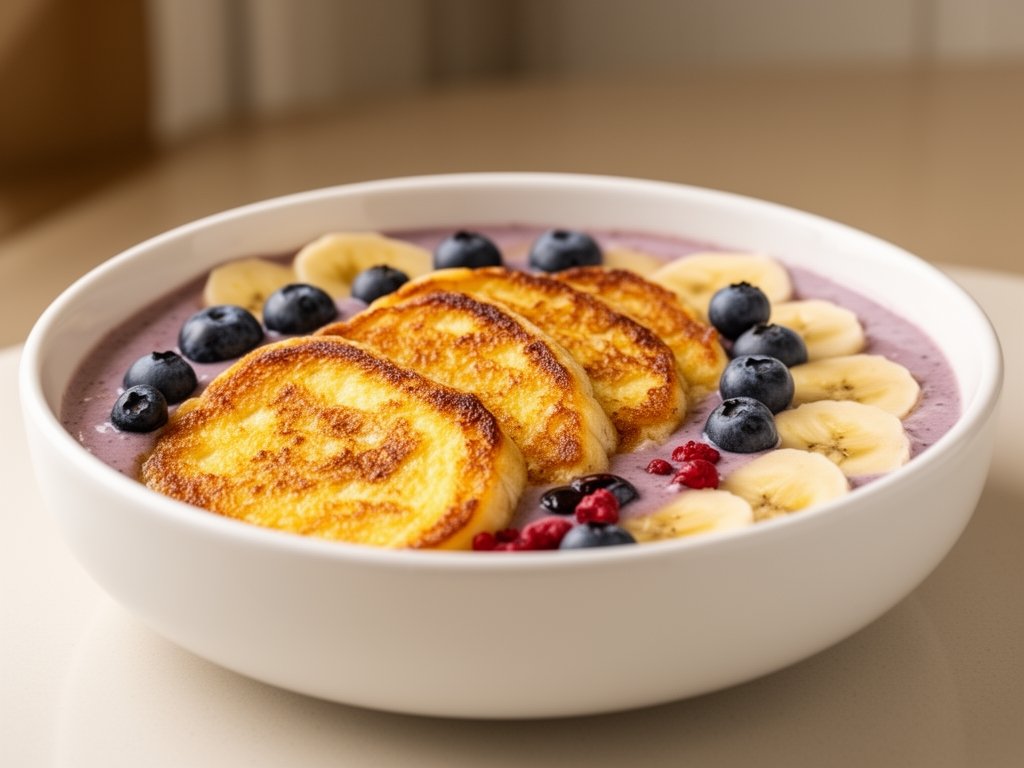
Smoothie bowls are best enjoyed immediately after creation, but you can prepare components in advance for quick assembly. Store your frozen berries and banana slices in labeled freezer bags or airtight containers, keeping them frozen until you’re ready to blend your smoothie bowl. This preparation system allows you to create a fresh smoothie bowl in just five minutes any morning, even when you’re rushed. Most frozen fruits maintain quality for three to four months in the freezer when stored properly in airtight containers away from light and heat.
Your prepared smoothie bowl base can be stored in the refrigerator for up to twenty-four hours, though it will gradually become thinner as the frozen mixture melts. Store your smoothie bowl base in an airtight container, keeping it as cold as possible. Before serving, give it a quick stir to recombine any separated liquid. If your smoothie bowl base has become too thin, add a handful of ice cubes and blend briefly to restore the proper consistency. For best results, prepare your smoothie bowl base no more than a few hours before serving.
You can also prepare individual smoothie bowl bases in advance by blending your mixture and freezing it in ice cube trays or small containers. This approach works beautifully for busy families or individuals who want to streamline their morning routine. Simply thaw your frozen smoothie bowl base in the refrigerator overnight, then transfer it to a bowl and add your desired toppings in the morning. This method maintains the thick consistency better than storing liquid smoothie bowl base in the refrigerator. Label your frozen smoothie bowl portions with the date and contents for easy identification.
Toppings should always be added immediately before serving your smoothie bowl. Granola becomes soggy if it sits in contact with your smoothie bowl base for extended periods. Fresh berries lose their firmness when exposed to the moisture from your smoothie base. Nuts and seeds maintain their crunch better when added just before eating. If you’re preparing smoothie bowls for multiple family members, consider setting up a topping station where everyone can customize their own bowl with fresh toppings while you handle the blending. This approach keeps all toppings at their peak quality while making breakfast fun and interactive.
FAQs About Breakfast Smoothie Bowls
Can I make smoothie bowls without a high-powered blender?
While a high-powered blender produces the best results, you can create acceptable smoothie bowls with a standard blender if you’re patient and methodical. Thaw your frozen fruit slightly—just five to ten minutes at room temperature—before blending. This helps your standard blender process the fruit more easily. Blend on medium speed rather than high, stopping frequently to scrape down the sides. You may need to add slightly more liquid than recipes call for, which will make your smoothie bowl slightly thinner than ideal, but it will still be delicious and satisfying.
How far in advance can I prepare smoothie bowl ingredients?
You can prepare your frozen berries and banana slices weeks in advance by storing them in labeled freezer bags or airtight containers. Fresh ingredients like toppings should be prepared no more than a day or two before serving. Granola, nuts, and seeds maintain quality for several weeks when stored in airtight containers in a cool, dry place. Preparing your smoothie bowl components in advance makes creating a fresh smoothie bowl incredibly quick and convenient, even on your busiest mornings.
What’s the best way to freeze bananas for smoothie bowls?
Select ripe bananas with yellow skin and minimal brown spots. Peel them completely and slice into half-inch chunks. Spread the banana slices on a baking sheet and freeze until solid—approximately two to three hours. Transfer the frozen banana slices to labeled freezer bags or airtight containers for long-term storage. Frozen bananas maintain quality for three to four months in the freezer. This preparation method makes creating smoothie bowls incredibly convenient and ensures you always have perfectly frozen banana ready.
Can I use fresh berries instead of frozen?
Fresh berries don’t create the thick, soft-serve consistency that defines a proper smoothie bowl. If you only have fresh berries available, add ice cubes to your blender to achieve the proper thickness and create that signature smoothie bowl texture. You’ll need more liquid when using fresh berries, which will make your smoothie bowl slightly thinner than ideal. For best results, freeze your fresh berries yourself by spreading them on a baking sheet, freezing until solid, then transferring to freezer bags. This approach gives you the best of both worlds—fresh berries at peak ripeness with the frozen texture required for perfect smoothie bowls.
Is protein powder necessary for smoothie bowls?
Protein powder is entirely optional—your smoothie bowl will be delicious without it. However, adding protein powder transforms your smoothie bowl from a tasty breakfast into a complete nutritional powerhouse that keeps you satisfied for hours. Without adequate protein, your smoothie bowl digests quickly, potentially leaving you hungry mid-morning. If you prefer to skip protein powder, ensure you’re eating something else with protein at breakfast, such as eggs, yogurt, or nut butter toast, to create a complete, satisfying meal.
What milk works best for smoothie bowls?
All unsweetened plant-based milks and dairy milk work wonderfully in smoothie bowls, creating slightly different results. Almond milk creates a lighter smoothie bowl that lets fruit flavors dominate. Coconut milk creates a richer, more indulgent smoothie bowl. Oat milk provides subtle sweetness and creaminess. Soy milk creates the creamiest smoothie bowls with the most protein. Experiment with different options to discover which creates your favorite smoothie bowl consistency and flavor profile. The “best” milk is simply the one you enjoy most.
Can I prepare smoothie bowls for the entire week?
You can prepare individual smoothie bowl bases in advance by blending your mixture and freezing it in ice cube trays or small containers. Thaw your frozen smoothie bowl base in the refrigerator overnight, then transfer it to a bowl and add fresh toppings in the morning. This method works beautifully for busy families or individuals who want to streamline their morning routine. However, toppings should always be added fresh, just before serving, to maintain their quality and texture.
What are good topping combinations for smoothie bowls?
The possibilities are endless, but some classic combinations include berries with granola and coconut, tropical fruits with macadamia nuts and toasted coconut, and chocolate-based smoothie bowls with almonds and chocolate shavings. Create combinations that appeal to your personal preferences and nutritional goals. Sweet toppings like chocolate shavings and granola pair beautifully with tart berries. Nuts and seeds add protein and healthy fats. Fresh fruit adds brightness and additional nutrition. Experiment freely to discover your favorite smoothie bowl combinations.
How long do smoothie bowls stay thick and creamy?
Smoothie bowls are best enjoyed immediately after creation, while the base is still thick and creamy. As your smoothie bowl sits, the frozen base gradually melts, becoming thinner and more liquid. Most smoothie bowls maintain acceptable consistency for thirty to forty-five minutes after creation. If you must prepare your smoothie bowl in advance, keep the base and toppings separate, combining them just before serving. This approach maintains the textural contrast that makes smoothie bowls so satisfying and enjoyable to eat.
Can I make smoothie bowls without added sweeteners?
Absolutely! Frozen berries and banana provide plenty of natural sweetness, often eliminating the need for added sweeteners in your smoothie bowl. If you prefer additional sweetness, add a small drizzle of honey or maple syrup rather than using sweetened milk or adding refined sugar. The natural fruit sugars in your smoothie bowl base create a naturally sweet breakfast without requiring additional sweeteners. This approach keeps your smoothie bowl as wholesome and nutritious as possible while still tasting delicious and satisfying.
Conclusion
Breakfast smoothie bowls represent the perfect intersection of nutrition, convenience, and pure deliciousness. In just five minutes, you can create a beautiful, Instagram-worthy breakfast that delivers impressive nutrition and keeps you satisfied for hours. Whether you’re feeding yourself, your partner, or your entire family, smoothie bowls adapt beautifully to everyone’s preferences and dietary needs. The thick, creamy base combined with colorful, crunchy toppings creates a truly satisfying eating experience that feels indulgent yet remains wholesome and nourishing.
The versatility of smoothie bowls means you’ll never tire of eating them. Create tropical variations, chocolate-based versions, green smoothie bowls, or seasonal combinations that celebrate what’s available throughout the year. Customize your toppings based on your mood, nutritional goals, and what you have on hand. This flexibility transforms smoothie bowls from a single recipe into an entire category of breakfast possibilities. You can enjoy the same basic smoothie bowl base with completely different toppings and flavor profiles, keeping breakfast exciting and engaging day after day.
Start your smoothie bowl journey today by gathering frozen berries, a banana, and your favorite milk. Blend them on low speed until they resemble soft-serve ice cream, transfer to a bowl, and add your favorite toppings. Take a moment to appreciate your creation before diving in, savoring each spoonful. You’re not just eating breakfast; you’re nourishing your body with whole foods and creating a moment of self-care that sets a positive tone for your entire day. Your family will love these delicious, beautiful smoothie bowls, and you’ll love how easy they are to create.